

Projects
The Structural Change Task Force develops its own projects that will sustainably advance our region and position it for a future-proof future. With our guidelines and resources, we effectively support our municipalities, companies, associations, and other stakeholders in the Görlitz district to complete the transformation following the coal phase-out into a future as a region of clean energy production within the framework of the Net Zero Valley initiative.
Public services
Our projects aim to meet the social and cultural needs of all residents while strengthening the regional economy.
A well-developed local supply network is crucial for the quality of life of the population and ensures social cohesion within a community.
Link to the project
Energy & Sustainability
Through innovative approaches in environmental protection and resource management, we are setting new standards for ecological responsibility and sustainable business practices.
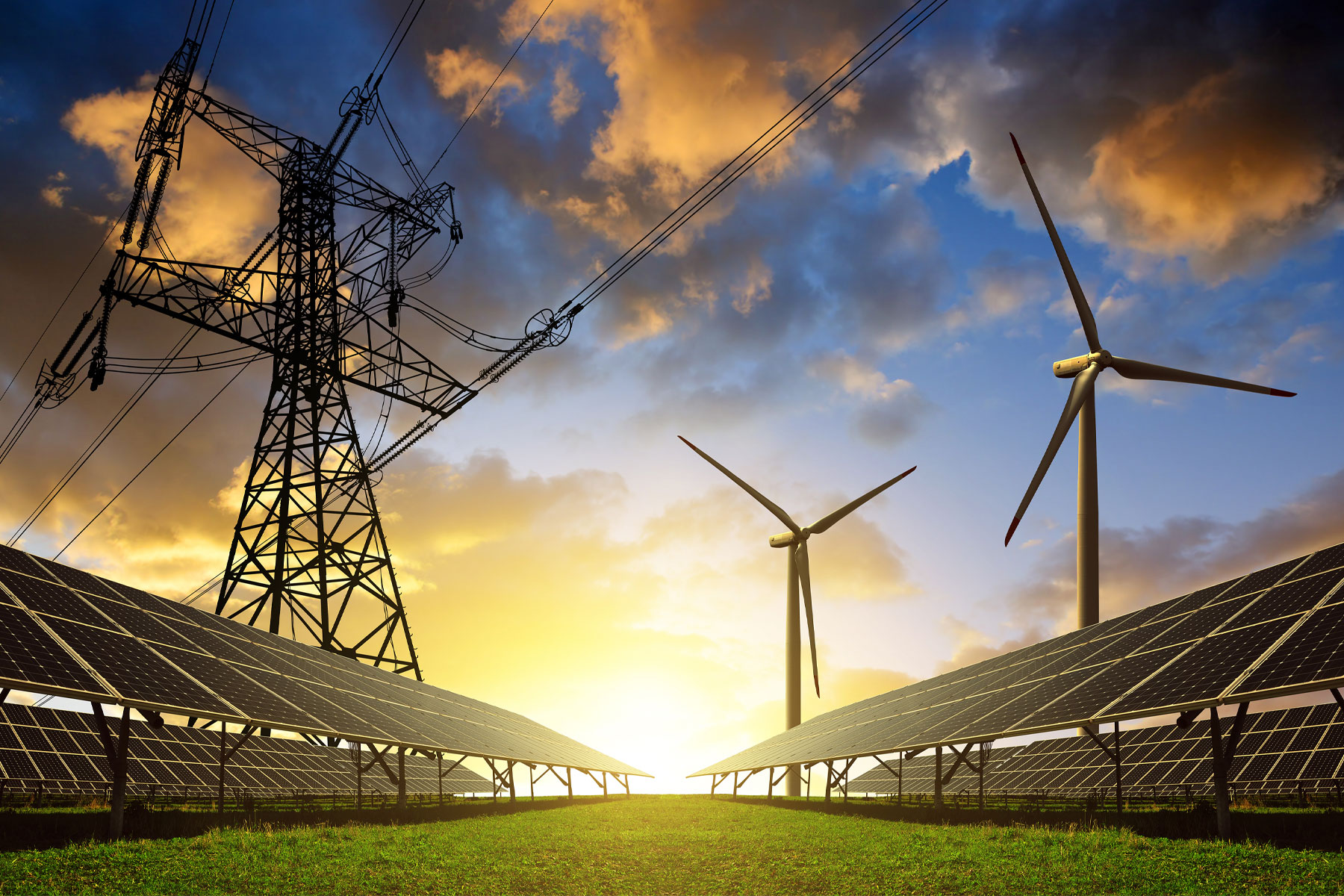
Wind and sun – renewable energies are key to a sustainable energy supply. This also opens up new opportunities for municipalities to generate financial revenue.
Link to the project
Infrastructure & Mobility
Our projects include the construction of efficient transport systems, the promotion of renewable energies, and the implementation of digital solutions.
This practical guide is aimed at municipalities, businesses, and committed stakeholders, providing an overview of needs, requirements, and funding opportunities.
Link to the project
The interactive county map
Here you will find an overview of our publications and supra-regional projects, as well as an interactive map of the Görlitz district, which presents our work in the individual municipalities.

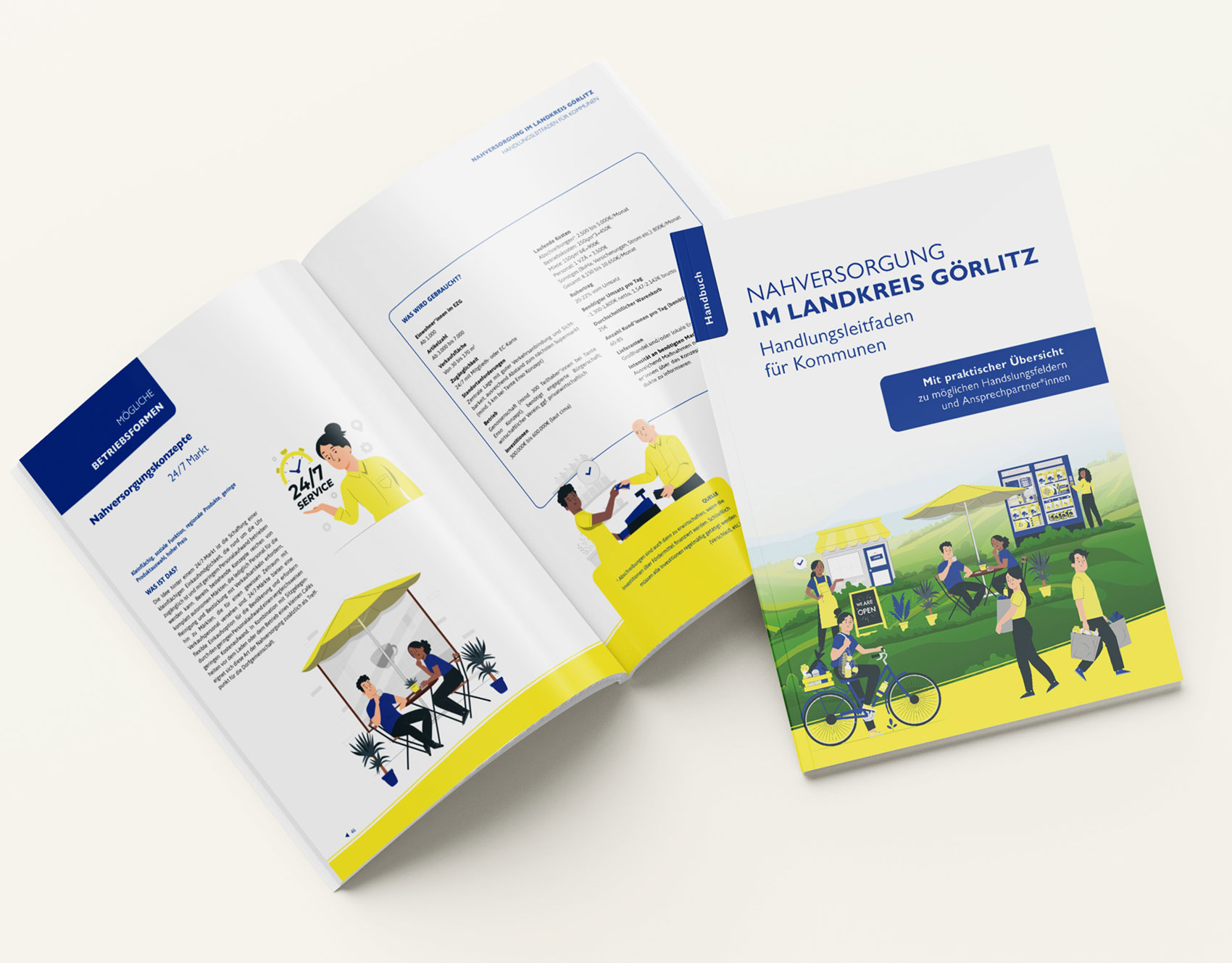
A guide for action for municipalities and regional stakeholders in the district of Görlitz
A well-developed local supply network is crucial for the population's quality of life. It not only ensures access to basic daily necessities but also strengthens social bonds within a community for various reasons.
This handbook provides an inventory and analysis of the challenges municipalities face regarding local services and offers solutions for addressing them. To this end, the handbook presents projects from various municipalities within the district and beyond to demonstrate possible approaches to improving local services and describes the procedures for implementing the various options.
The abridged version of the handbook focuses on implementation concepts; for more comprehensive information on the topic of local supply, we recommend the unabridged version.
Revenue opportunities and profit potential for municipalities
Wind and sun – renewable energies are key to a sustainable energy supply. To achieve this, the necessary conditions must be created and the consumption of fossil fuels such as oil, natural gas, and coal must be reduced. Accordingly, amendments have been made to the Renewable Energy Sources Act 2023 (EEG) and the Saxon Ordinance on Open-Field Photovoltaic Systems. These amendments create opportunities for greater financial participation in the expansion of renewable energies.
The opportunities these changes offer municipalities in terms of financial revenue exceeding the 0.2 cents/kWh stipulated in the EEG are illustrated with examples. Special usage rights and the approach to designating areas for renewable energy also form a separate focus. In addition to these topics, the guide addresses the key issue of citizen energy cooperatives – from their establishment to the implementation of projects.
Development of an overall strategy for energy and network expansion in the district of Görlitz
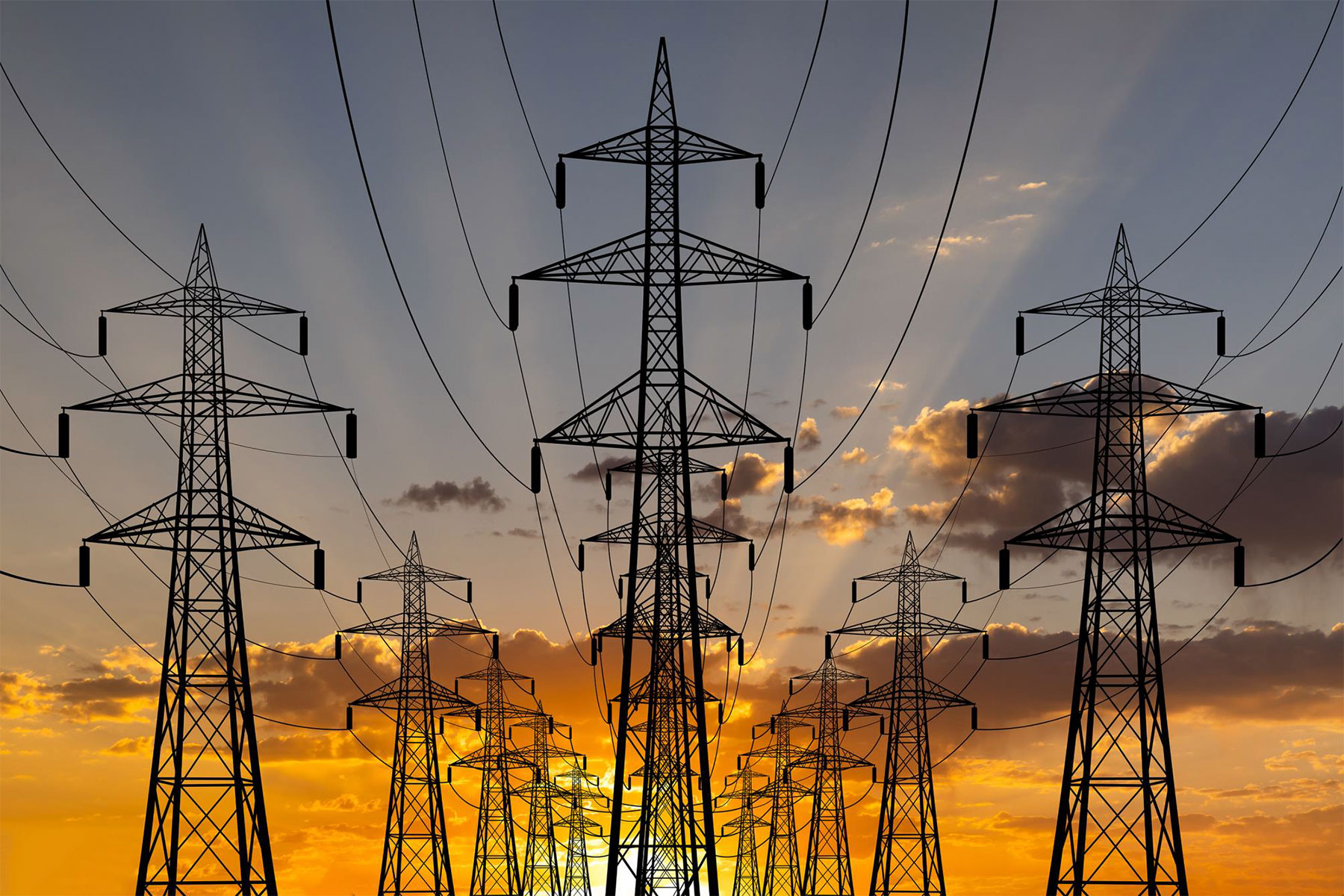
Due to structural change and the legally mandated phase-out of coal, the Görlitz district faces new challenges in the energy sector. To ensure a sustainable transformation of the energy supply, an integrated overall supply strategy for energy and grid expansion in the Görlitz district is necessary. For this reason, ENO mbH commissioned a study in December 2022 to develop a comprehensive energy concept for the Görlitz district. The results now available are intended to support the district in assessing the necessary grid expansion for the development of renewable energies, as well as providing initial indications of hydrogen potential, municipal heat planning, and future energy supply.
EnviroPlast
As part of the bioeconomic value chain in Lusatia, we, together with the Zittau/Görlitz University of Applied Sciences (HSZG) and the Fraunhofer Institute for Machine Tools and Forming Technology (IWU), explored the question of what materials will be used to build vehicles and buildings in the future. This involved examining the previously overlooked potential of residual materials from agriculture and forestry. Under the title "Environmentally Friendly Plastic Components from Biogenic Residues for the Automotive and Construction Industries," a proposal was submitted to the Federal Ministry of Education and Research (BMBF) by the consortium leader, Kluge GmbH, along with 14 other direct partners and 10 associated partners. The aim is to promote efficient and climate-friendly production in the region and generate added value by utilizing these residual materials in the form of sustainable composite materials. The project was approved in 2022 with a budget of €12 million for the Upper Lusatia region.

Development of sustainable industrial parks in the district of Görlitz
The aim of this guide is to stimulate the development of sustainable industrial parks and to encourage a process for their creation. The focus is on resource-efficient construction with regard to land availability, energy generation and use, water use and reuse, heat production and utilization, as well as the use and combination of renewable raw materials. Sustainably developed industrial parks will represent a locational advantage for municipalities in economic, ecological, and social terms. Key topics include the resource-efficient design of new industrial parks, with guidance on planning and implementation. Furthermore, the guide addresses the possibilities for redesigning existing industrial sites. A third topic explores which regulatory options can be used to influence the establishment of businesses.

Guide to the “Lausitz stop”
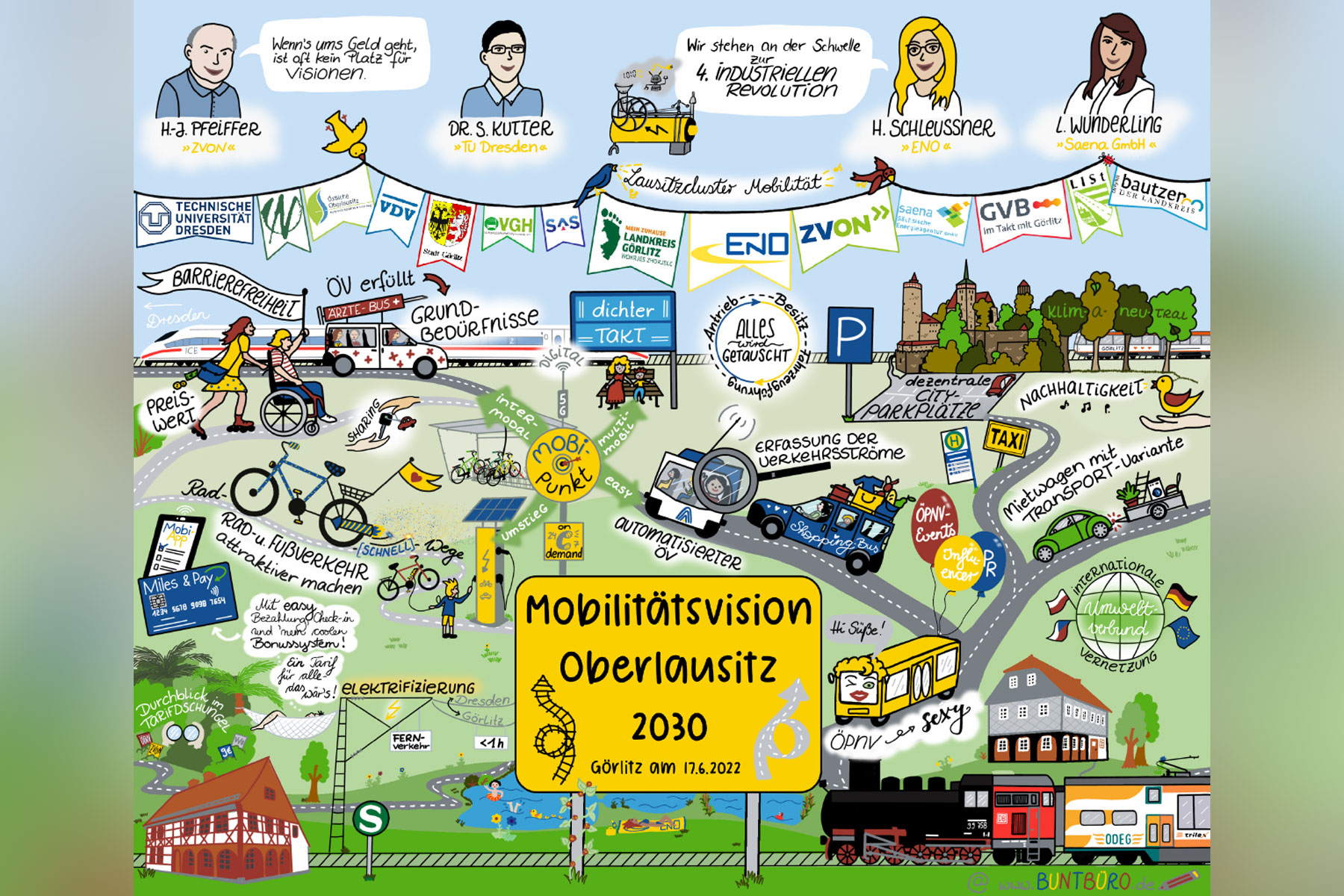
Mobility and transport infrastructure are considered essential factors for a successful structural transformation process in Lusatia. Mobility is more than just passenger transport; it is an economic engine and a cornerstone of healthy regional development. To create an innovation ecosystem for stakeholders in our region, the "Lausitz Cluster Mobility" network was established. Together with over 40 partners, the "Lausitz Bus Stop" project was developed through joint workshops. This innovative bus stop concept is intended to serve as a mobility, local supply, and meeting point in rural areas, aiming to develop public transport more sustainably and attractively for all user groups, independent of existing services. The resulting guideline is designed to serve as an initial framework for municipalities, outlining the necessary steps for implementation.